


Black Friday is one of the busiest and most profitable shopping periods of the year for retailers worldwide. As online shopping volumes continue to rise, businesses also face a significant increase in fraud attempts, payment risks, and cybersecurity threats. High traffic, increased transaction volumes, and rushed purchasing behavior create the perfect environment for fraudsters to target both retailers and customers.
For e-commerce businesses, fraud prevention during Black Friday is no longer optional. Protecting customer data, securing payment systems, and preventing fraudulent transactions are essential for maintaining revenue, customer trust, and operational stability.
In this guide, we explore the history of Black Friday, the growing risks of online fraud, and the most effective strategies businesses can use to stay protected during peak shopping seasons.
The Evolution of Black Friday
Black Friday originally began in the United States as the shopping day following Thanksgiving. Over time, it evolved into a global retail event, expanding from a single day into Black Weekend, Black Week, and even month-long promotional campaigns for many brands.
The rapid growth of e-commerce and digital payments accelerated this transformation. Online shopping was already becoming increasingly popular, especially among younger consumers, but the COVID-19 pandemic significantly increased digital adoption worldwide. Consumers shifted away from physical stores and embraced online shopping for convenience, speed, and safety.
As a result, online retailers now experience massive spikes in website traffic and transaction volumes during Black Friday campaigns. While this creates enormous revenue opportunities, it also increases exposure to fraud attacks and operational vulnerabilities.
Why Fraud Increases During Black Friday
Black Friday attracts millions of shoppers looking for discounts and limited-time deals. Unfortunately, it also attracts cybercriminals who take advantage of the high transaction volume and urgency-driven consumer behavior.
Fraudsters often exploit weak security systems, overloaded infrastructures, and rushed verification processes during peak shopping periods. Common fraud risks during Black Friday include:
- Payment fraud
- Account takeover attacks
- Phishing scams
- Refund fraud
- Identity theft
- Card testing attacks
- Chargeback fraud
The rapid increase in online sales makes it more difficult for businesses to distinguish between legitimate customer behavior and suspicious activity. Without a robust fraud prevention strategy, businesses risk financial losses, operational disruption, and reputational damage.
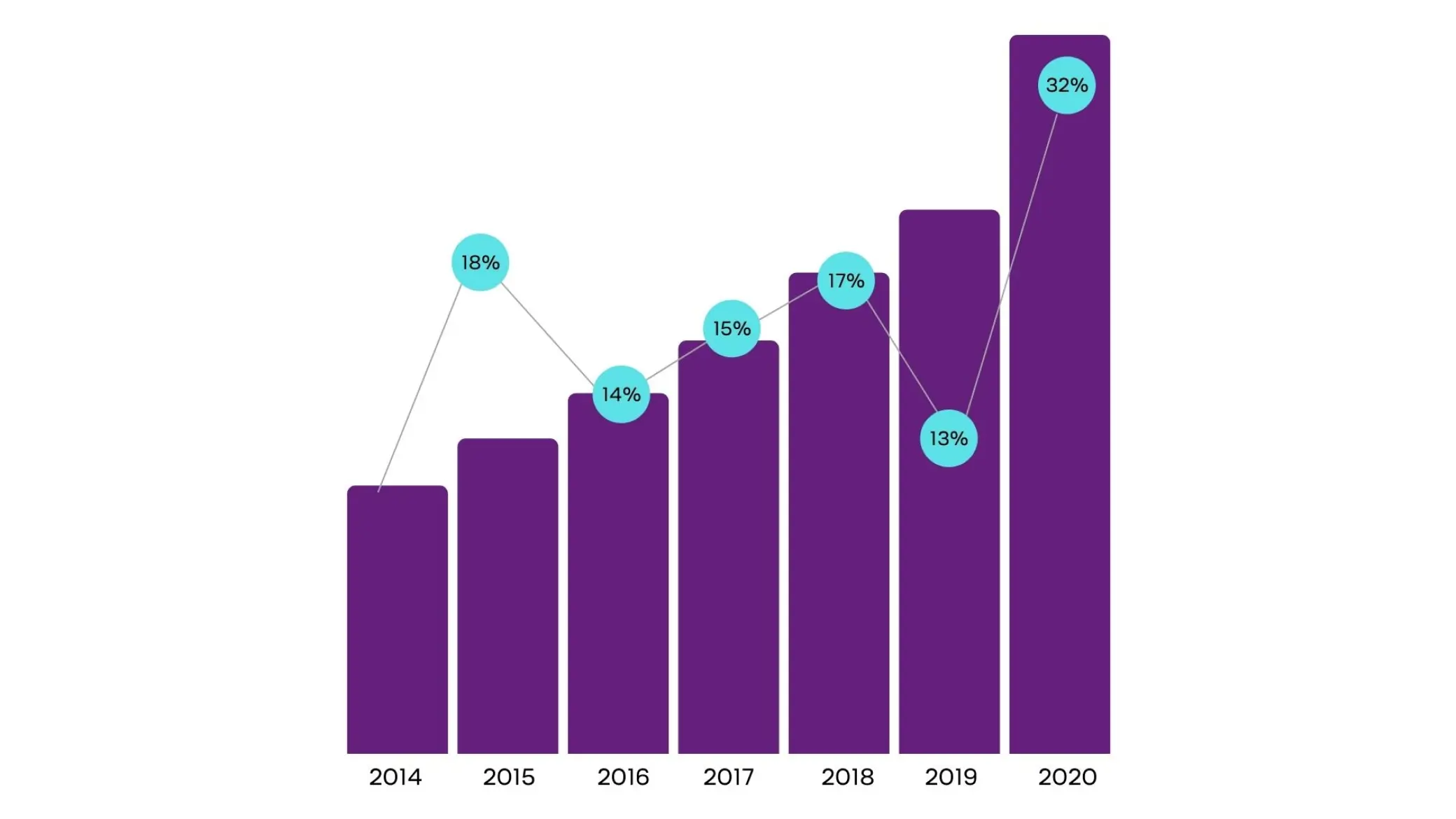
The Impact of E-Commerce Growth on Fraud Risks
The growth of digital commerce continues to break records every year. As online sales increase, fraud attempts also become more sophisticated and frequent.
Consumers expect seamless shopping experiences, fast checkouts, and frictionless payments. However, reducing friction without implementing intelligent fraud prevention mechanisms can expose businesses to serious security risks.
Retailers must find the right balance between customer experience and fraud prevention. This is where artificial intelligence, machine learning, and real-time fraud detection technologies become essential.
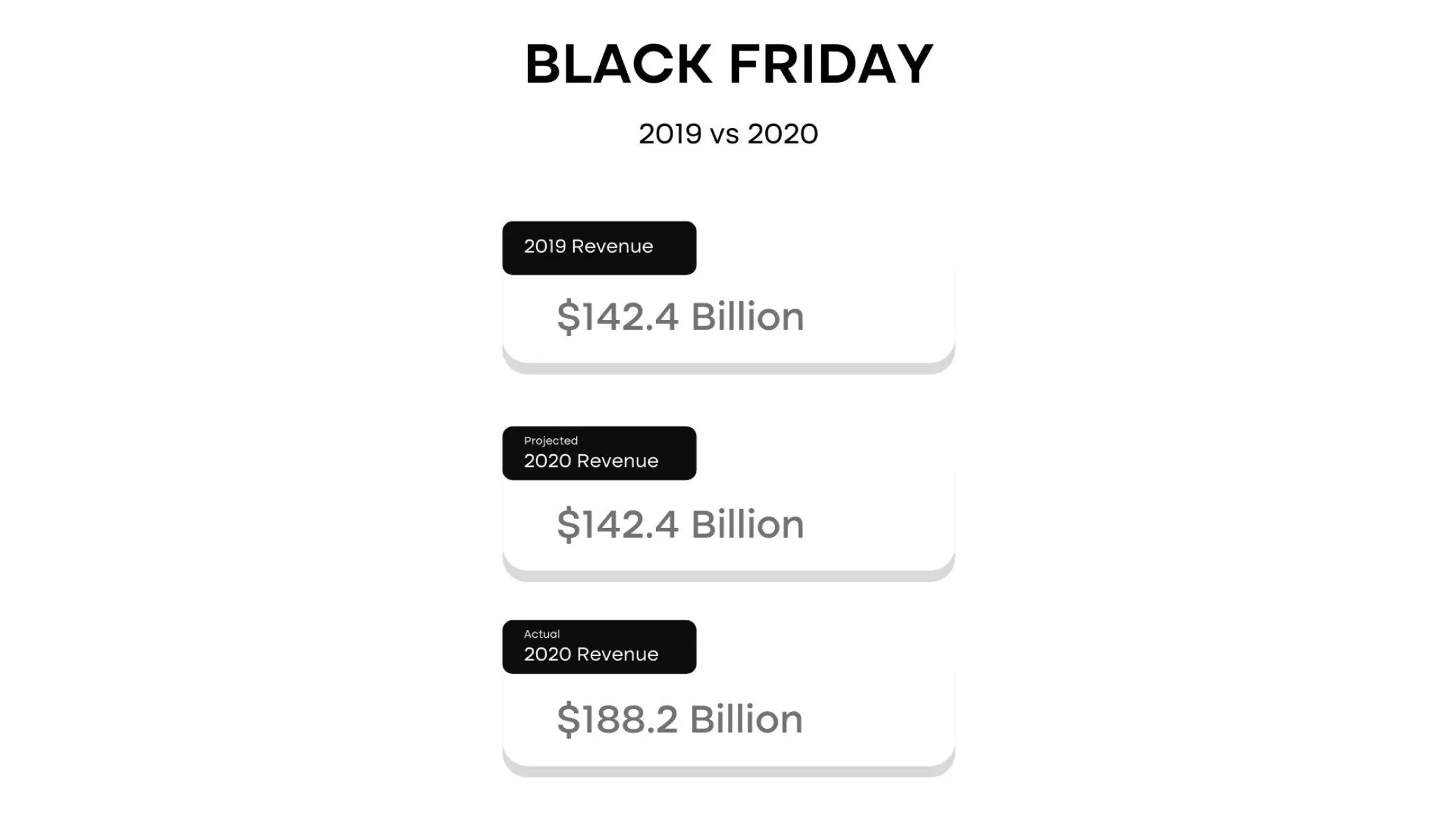
How to Prepare Your Business for Black Friday Fraud Prevention
Preparing for Black Friday requires more than marketing campaigns and inventory planning. Businesses must also strengthen their fraud prevention infrastructure before traffic peaks begin.
Strengthen Website Infrastructure
One of the biggest challenges during Black Friday is handling increased traffic volumes. Many websites experience slowdowns, outages, or performance issues due to insufficient infrastructure capacity.
Businesses should ensure that their systems, servers, and payment environments can handle peak traffic safely and efficiently. Infrastructure preparation should include:
- Load testing
- Traffic scalability planning
- Payment gateway optimization
- Real-time monitoring systems
- Security vulnerability assessments
A stable infrastructure is the foundation of effective fraud prevention.
Use AI and Machine Learning for Fraud Detection
Artificial intelligence and machine learning technologies play a critical role in modern fraud prevention strategies. Unlike traditional rule-based systems, AI-powered fraud detection solutions can analyze behavioral patterns, identify anomalies, and detect suspicious activity in real time.
Machine learning models can learn from historical transaction data and continuously improve fraud detection accuracy. During Black Friday, this capability becomes especially valuable because shopping behaviors differ significantly from regular purchasing patterns.
AI-driven fraud prevention systems can help businesses:
- Detect abnormal transaction behavior
- Reduce fraudulent payment attempts
- Identify high-risk users
- Prevent account takeover attacks
- Improve fraud detection accuracy
- Reduce operational workload
Behavioral analytics and anomaly detection technologies are particularly effective during high-volume shopping periods.
Reduce False Positives During Peak Shopping Seasons
False positives occur when legitimate customer transactions are incorrectly flagged as fraudulent. During Black Friday, increased spending behavior and unusual purchasing activity can significantly increase false positive rates.
Excessive transaction declines can damage customer trust, reduce conversion rates, and negatively impact revenue.
To minimize false positives, businesses should implement:
- Adaptive risk scoring
- Multi-factor authentication
- Behavioral analytics
- Dynamic transaction monitoring
- AI-powered decision engines
Balancing security and customer experience is essential during high-demand shopping events.
Protect Against Account Takeover Attacks
Account takeover fraud is one of the fastest-growing cybersecurity threats in e-commerce. Fraudsters use stolen credentials, phishing attacks, and credential stuffing techniques to gain unauthorized access to customer accounts.
During Black Friday, attackers often target retailers with high traffic and large customer databases.
Businesses should strengthen account security by implementing:
- Multi-factor authentication (MFA)
- Device intelligence
- Login anomaly detection
- Password protection policies
- Session monitoring
- Bot detection systems
Protecting customer accounts also helps preserve brand reputation and customer loyalty.
Increase Payment Processing and Query Limits
Many businesses underestimate the operational impact of transaction volume increases during Black Friday. Payment systems, banks, and fraud monitoring platforms may struggle if limits are not adjusted in advance.
Retailers should coordinate with payment providers and banking partners to ensure:
- Higher transaction processing limits
- Increased API capacity
- Faster fraud review processes
- Scalable payment infrastructure
Operational readiness is a critical component of fraud prevention success.
What to Do After Black Friday
Fraud prevention does not end when Black Friday sales are over. Post-event analysis is equally important for identifying risks, improving security strategies, and preparing for future campaigns.
Monitor Refund and Return Fraud
Refund fraud often increases after Black Friday promotions end. Fraudsters may attempt to exploit return policies using stolen goods, fake receipts, or chargeback abuse techniques.
Customer support and fraud investigation teams should carefully review:
- Suspicious refund requests
- High-risk return patterns
- Chargeback anomalies
- Mismatched transaction details
Strong refund verification processes help protect business revenue after peak sales periods.
Analyze Black Friday Transaction Data
Transaction data analysis is one of the most valuable steps in improving future fraud prevention strategies. Businesses should evaluate customer behavior, transaction trends, fraud attempts, and operational performance.
Key insights from Black Friday analytics can help businesses:
- Improve fraud detection models
- Optimize customer experience
- Reduce false positives
- Strengthen risk scoring systems
- Identify emerging fraud patterns
Historical transaction data is essential for building smarter fraud prevention systems.
Review Fraud Cases with Your Fraud Prevention Team
After Black Friday, fraud prevention teams should conduct a comprehensive review of detected fraud cases and operational performance.
Analyzing both successful fraud prevention efforts and missed threats helps businesses continuously improve their security strategies for future campaigns.
Key review areas include:
- Fraud detection performance
- Chargeback trends
- Account takeover attempts
- Customer friction points
- AI model performance
- Operational response efficiency
Continuous improvement is essential in the fight against evolving fraud tactics.
Final Thoughts
Black Friday presents enormous growth opportunities for e-commerce businesses, but it also introduces significant fraud risks. As digital commerce continues to expand, businesses must invest in scalable infrastructure, AI-powered fraud prevention technologies, and proactive cybersecurity strategies.
By preparing in advance, monitoring transactions intelligently, and continuously improving fraud prevention systems, businesses can protect both their revenue and customer trust during peak shopping periods.
To learn more about advanced fraud prevention strategies, behavioral analytics, and AI-powered fraud detection technologies, businesses should explore modern fraud prevention platforms designed specifically for high-volume digital commerce environments.